

How to Make the Most of the Sunday of Summer: Back to School Systems that Will Save Your Sanity
Learn home organization systems for back to school season — for calmer mornings and more successful students. Get tips from a former teacher turned professional organizer in the Greater Boston Area.

This post contains affiliate links. If you make a purchase through one of these links, I may earn a small commission at no additional cost to you – but I would never recommend something I haven’t used and love myself.
If you’ve walked down a Target aisle lately, you’ve probably seen it: the crayons, the notebooks, and the backpacks. Back to school season is officially here. You know that the sun is setting on summer, and the first day of school is right around the corner. It’s time to get prepared – and that means getting your back to school home organization systems in place.
Back to school season might make you feel genuinely excited. Maybe you love the smell of fresh pencils, the feeling of a fresh start, and the comfort of getting back into a familiar routine. Or maybe you’re feeling a bit of dread – almost a “Sunday scaries” feeling of realizing you’re losing some freedom and heading back into a very full calendar.
This is why I call August the “Sunday of Summer.” It's the last stretch before the "Monday" of the school year hits – and just like a Sunday, how you spend it determines how ready you feel when Monday actually arrives.
However you’re feeling, one thing is for sure: having systems and organization in place before school starts is the best way to set your kids (and yourself) up for success, and set the tone for a calm school year.

What I Saw as a Teacher
Before I was a professional organizer, I was a 2nd grade teacher. Each year, I could instantly spot which students had home organization systems… and which ones didn’t.
The ones who didn’t usually walked in frazzled (and often late). They spent the first 10 minutes of class searching through their backpacks through loose papers, trying to find their permission slip or homework. Crumpled papers would fall onto the floor as they frantically searched. Their lunchboxes were often left at home, or sometimes half-packed. These students spent that time and mental energy stressing, when they should have spent it learning.
If this sounds familiar for you and your child, this is not meant to guilt you. In fact, this is meant to encourage you and give you a solution! Children who struggle with this don’t usually struggle due to a lack of love or effort on their parents’ part – but a lack of home organization systems.
Sustainable Home Organization Systems for ADHD
Does this describe more mornings than you'd like to admit – as an adult, too? Rushing out the door, digging through a bag for your keys, feeling too stressed and scattered to focus on the things that actually matter?
You are not alone. And if mornings and routines feel especially hard for you because you or your child has ADHD or ADHD tendencies, I promise there are simple, sustainable fixes (if you haven't already, check out my last post on working with an ADHD brain instead of against it).
The systems below are simple enough that you can have a new routine in place before the first bell rings – with less stress, less searching, and more time back in your day.
Back to School Home Organization Systems that Will Save Your Sanity
Before we begin, I want to note: You don’t need to implement all of these systems at once. The last thing I want to do is overwhelm you. Instead, pick one of these to try at a time. Commit to it for 7 days and see what a difference it makes in your mental energy and how you feel throughout the day!
1. Declutter Kids’ Spaces First
It’s very difficult to organize and set up new systems if you have a lot of clutter you don’t need. The first step should be decluttering as much as you can. Before school starts, make time to store, donate, or sell clothes that no longer fit and get rid of toys and items that are no longer used.
Here are other often-forgotten things to declutter:
Test chargers and throw out the ones that no longer work
Check that backpacks and lunchboxes are still functioning and clean
Look in those hidden pockets of backpacks and jackets to be sure everything is cleaned out
2. Try a Take-Home Folder
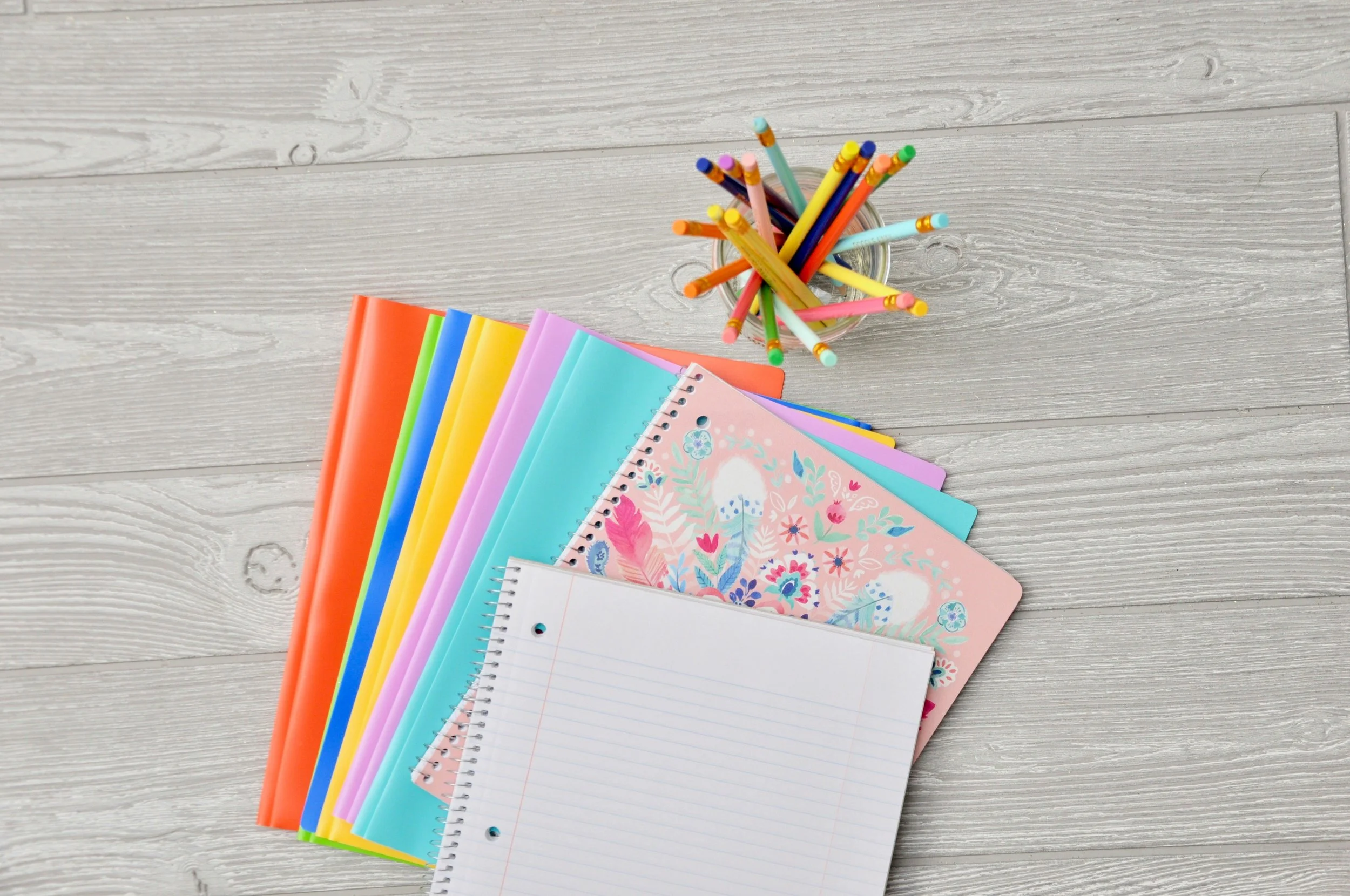
Does your child store loose, crumpled papers in his backpack? It’s a recipe for the backpack to quickly become a disaster zone. There is actually a simple solution for backpack management: a take-home folder.
Some teachers supply a take-home folder, but if your child’s teacher does not, you may get your own (here are the folders I like). It doesn’t have to be fancy – it’s simply a folder with one pocket labeled “Leave at Home” and the other labeled “Return to School.”
To make the most out of the take-home folder, this can be your child’s after school routine:
Check the folder the moment your child walks in the door
Pull homework out and put it in its designated "homework spot" for your child to work on
Empty the lunchbox (bonus points if you pack it for the next day)
Put the backpack back in its designated spot by the door on a hook (I like these for sturdy hanging), packed and ready to go
3. Get Your Kids Involved
Our children are often more capable than we realize. Asking them to take part in the after school routine will not only take the task off your plate, but give them ownership and a sense of responsibility over their belongings. It sets the tone for a calm day when they also know where all of their supplies are.
When you arrive home, ask your kids to unpack their lunch box and their take-home folder, and repack their backpack for the next day.
Bonus for ADHD families: if you or your child has ADHD, doing this together is a great way to build in body doubling – simply having someone else present and working alongside you makes it dramatically easier to start and follow through on a task. Have your child pack his lunch while you pack yours for the next day!
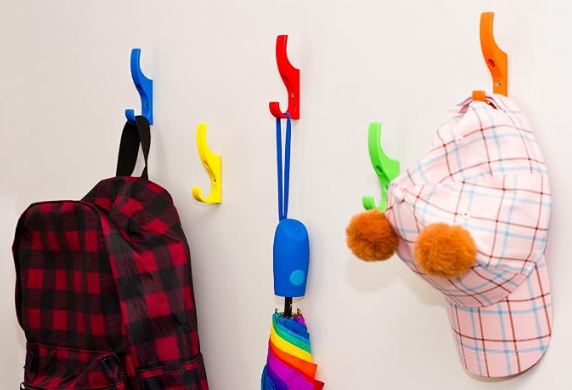
Not only are these hooks colorful and sturdy, but they also allow your child to easily put their belongings away when they get home from school each day.
4. Create a Back to School Command Center
I already mentioned keeping your backpack hooks by the door, but that’s not the only thing that would make sense there. Keep your family planner, hooks for jackets, trays for permission slips and school forms (like this one for a table and this one for the wall), and a bin for lunchboxes and water bottles all there, too. This makes a great place for things to land when you walk in the door, and be found easily when you’re trying to leave.
Once papers land in the tray, make it part of the routine to take them out each day and:
Sign and return them into the take-home folder
Put dates in the family calendar
Trash or file them away to keep the tray clear
Don’t skip these steps with the tray. Otherwise, it will turn into a pile to sort through later!
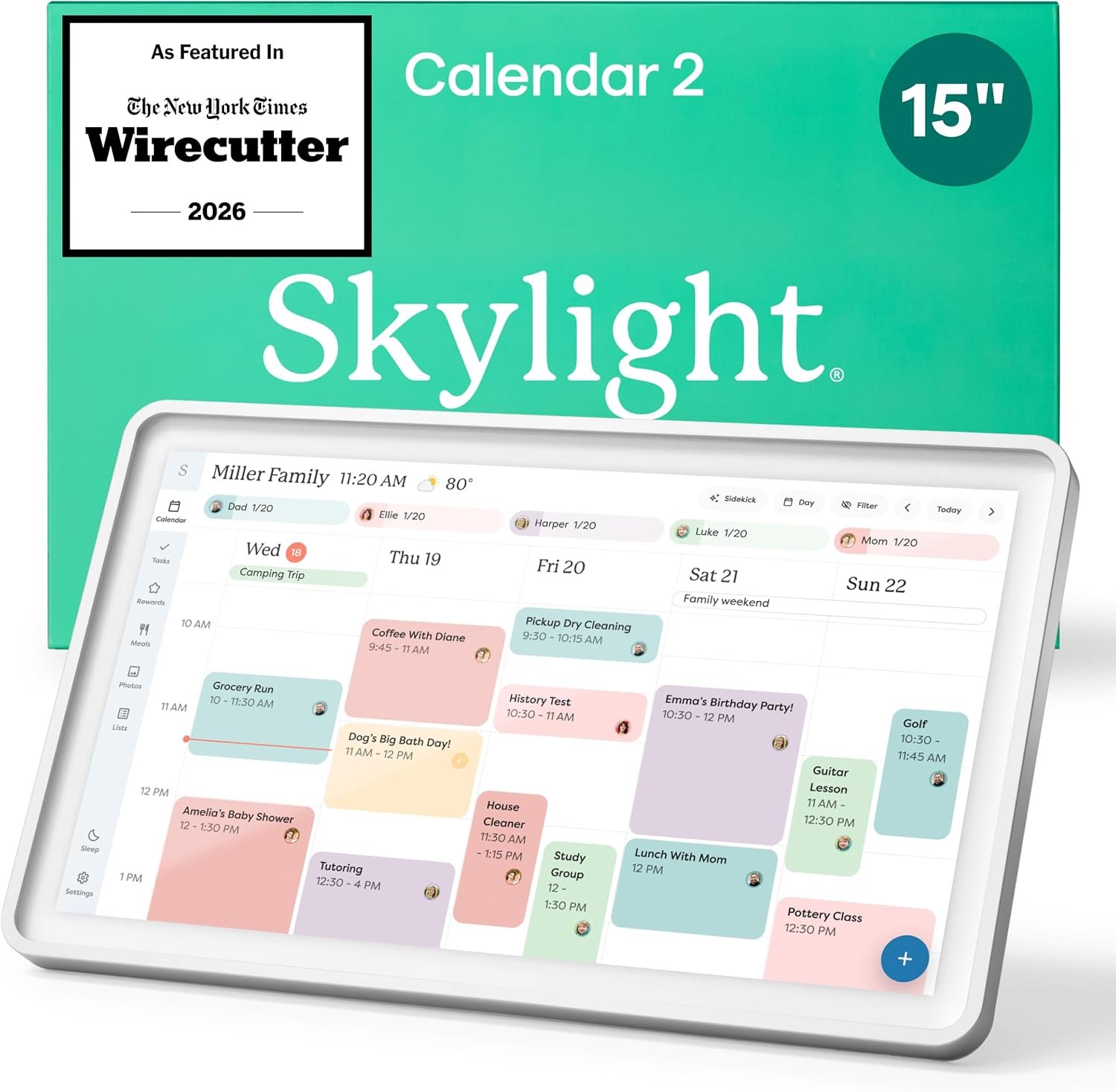
If you’re a paper-and-pencil family, I love this family planner and this wall calendar for a command center. But if you’re more digital, the Skylight is a great option to keep everyone on the same page.
5. Post a Visual Morning Routine
A picture-based morning routine is a great way to keep everyone on track. This is especially powerful for young children, children with ADHD, and boys of all ages.
A simple version might include pictures for:
Get dressed
Eat breakfast
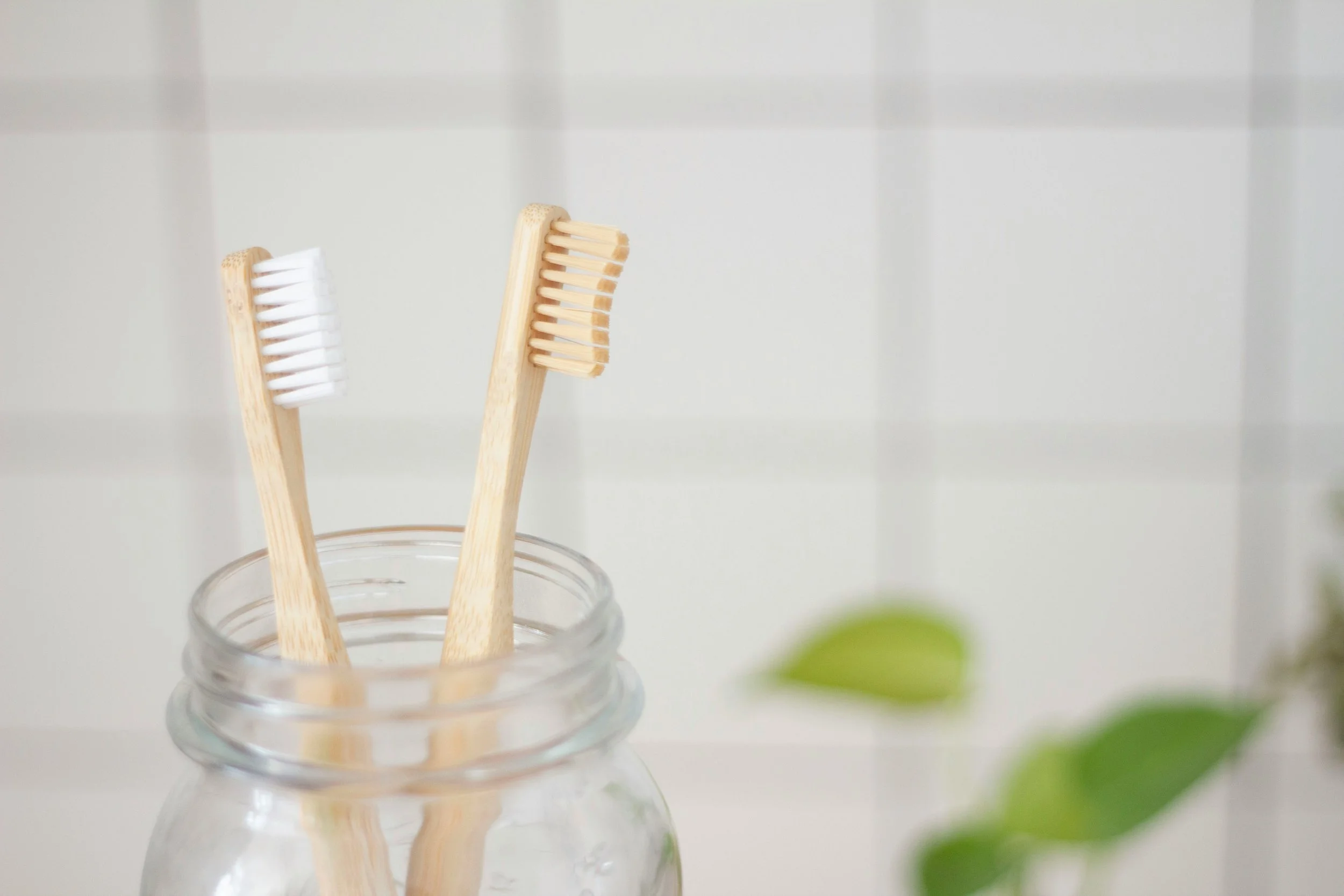
Brush teeth
Get backpack
Add a timer to keep everyone moving, and instead of asking, “Did you brush your teeth?” you can say, “What is left to do on your list?”
6. Plan an Evening Routine
A smooth evening routine will set you up for a calm morning the next day. You can do the following to prepare the night before:
Lay out clothes for the next day
Prep lunchboxes (you could try this while you’re already making dinner)
Consider having kids shower the night before, or even sleep in the next day's clothes if mornings are especially tough
Every task you move to the night before is one less decision your family has to make in the time crunch before school.
7. Create a Homework Caddy
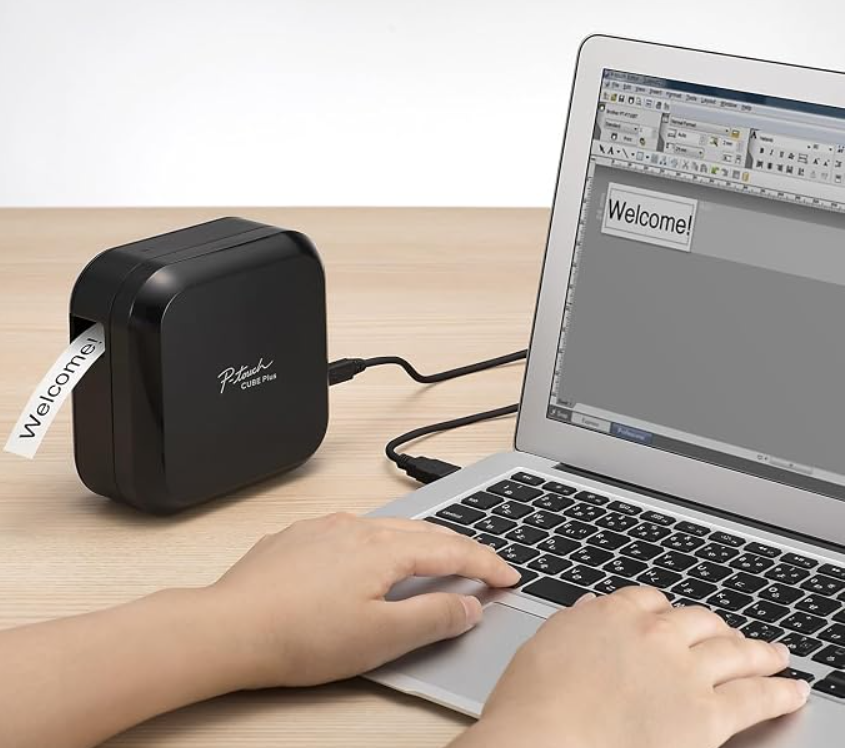
Try getting a clear, lidless bin filled with the supplies your child needs for homework – pencils, erasers, scissors, glue, and so on. I love to label these bins, so there’s no question where things go. If you’re in the market for a label maker, this one is a great, standard option (although I prefer this P-Touch Cube version).
Bonus for ADHD families: open, labeled bins reduce decision fatigue and cut down the number of steps it takes to clean up, which means clean-up is more likely to actually happen.
8. Build in Time Buffers for Transitions
Whatever your morning timeline looks like, add a 10 minute buffer somewhere in the middle of it. If it takes you 20 minutes to drive to school, add 10 minutes to get out the door. Transitions are where mornings actually fall apart. A little slack in the schedule is what keeps one slow moment from snowballing into a late, stressful departure.
Start With One Home Organization System
If you take nothing else from this post, take this: you do not need to build all eight of these home organization systems this week. Don’t think of these as a checklist you have to hit all at once; think of it as a menu you can pick and choose from. Pick one home organization system that looks best to you and start there! Commit to it for 7 days, decide if you like it enough to keep it, and then try a new one if you’d like.
I promise: small, consistent habits add up. These small changes today will make a big difference in how you’re feeling come the first day of school!
My Favorite Home Organization Products
You don't need anything fancy to build a command center or a homework caddy – repurposed bins and baskets you already own work just fine. But if you're shopping for something new, here are a few of my favorite organizing products*:
*This post contains affiliate links. If you make a purchase through one of these links, I may earn a small commission at no additional cost to you – but I would never recommend something I haven’t used and love myself.
Want More Home Organization Systems and Tips?

Loved these tips? You'll love my newsletter. Sign up here for more simple systems to make everyday life with your family calmer and more manageable.
Organizing for ADHD (& Anyone Who Feels Overwhelmed): 4 Practical Tips for a Calm Space
Discover strategies for organizing for ADHD that reduce stress, simplify daily routines, and create systems that work with your brain. Get practical tips from a professional organizer serving Reading, MA and the Greater Boston area.
I'm not a therapist or ADHD clinician. I'm a professional organizer who's worked with many clients with ADHD, spent years teaching children with different learning styles, and has learned a tremendous amount from ADHD experts. Whether you have ADHD, suspect you might, or simply feel overwhelmed by clutter and constant distractions, many of these strategies can make everyday life easier.
Picture this: You walk into a room, only to forget why you went there in the first place. You know you needed to get something, but what was it?
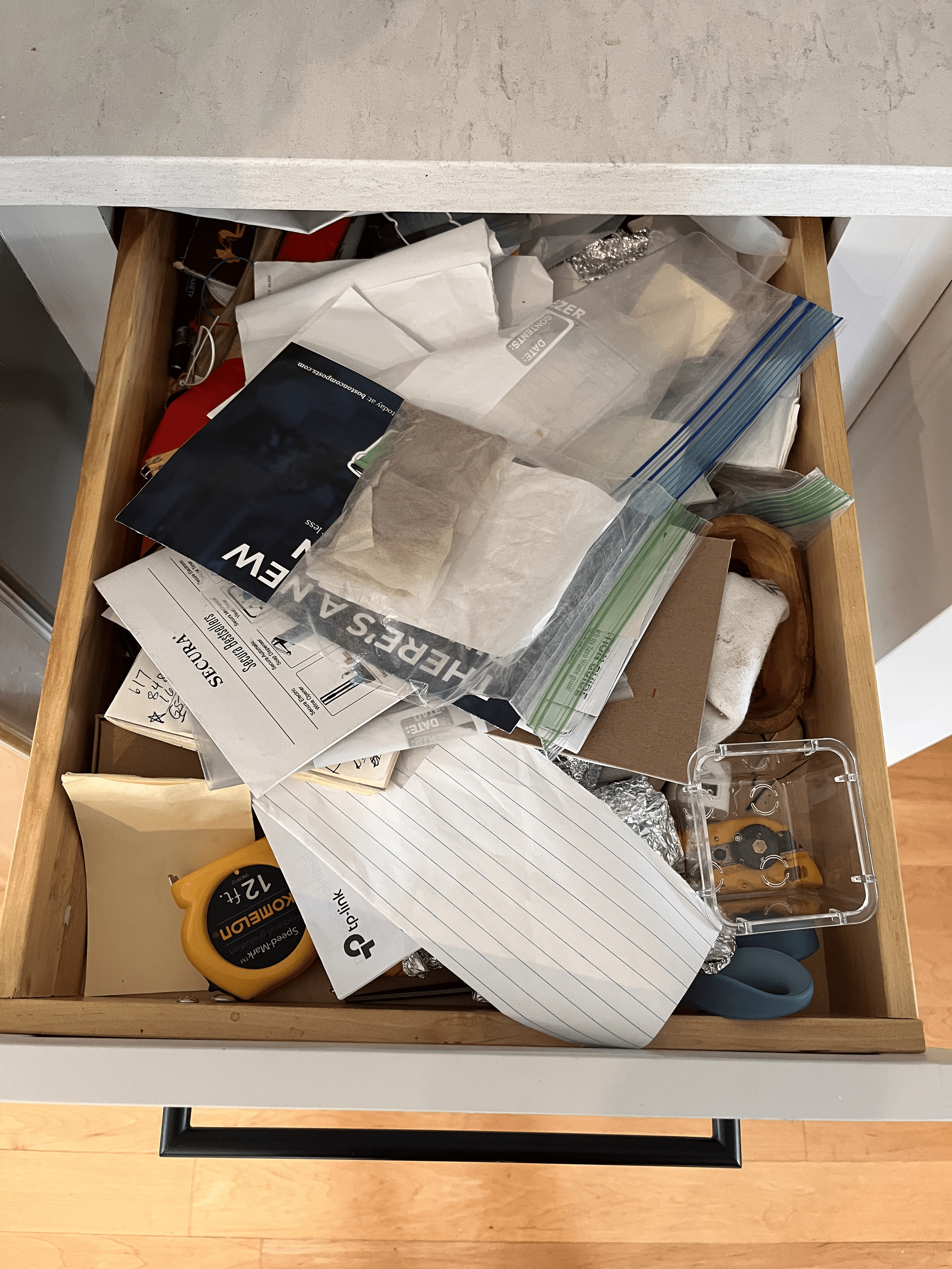
Suddenly, you remember what you needed – a pair of scissors. You look around. There are piles of objects on tables: books piled on a shelf haphazardly, papers stacked high that need sorting, and that chair in the corner that catches all the things. You created each pile to serve as a reminder of tasks to be dealt with later – each one a project started, but not finished.
You can’t find the scissors, and now you’re resigned to just buying another pair. You’re frustrated – but it’s happened before, and you’ve just accepted that this is how it is.
If this sounds familiar, you’re in good company. This is the reality for many of my clients. And please know this: you have nothing to be ashamed of, and organization is possible for you. You just need personalized advice for how your brain works.
How I’ve Seen ADHD Affect Organization
Executive Functioning
One term you'll hear often in ADHD discussions is executive function. Think of it as your brain's management system.
Executive function helps us plan, prioritize, remember, switch between tasks, estimate time, and finish what we've started. But when those skills are challenged, simple tasks can feel surprisingly difficult.
If you struggle with organizing for ADHD, it doesn't mean you're lazy or don’t care. It means you need systems that will reduce your decision fatigue and mental load.
In The Classroom
As a second grade teacher for 25 years, I learned something that has stayed with me long after I left the classroom: every child learns differently. Some needed to move while they learned. Some thrived with visual reminders. Others needed information presented in completely different ways.
The best teachers don't expect every child to fit the same mold; they adapt their teaching to fit the learner. I’ve come to realize organization works the same way.
With Clients
Over the years, I've worked with many clients who have ADHD, and I've spent a lot of time learning from respected ADHD experts and organizers. Most recently, I listened to The ADHD Field Guide for Adults, which reinforced many ideas I've seen firsthand in clients' homes.
While I've never been formally diagnosed with ADHD, I do recognize several ADHD tendencies in myself. I often have lots of ideas competing for attention, can jump between projects, and sometimes rely a little too much on visual reminders. Learning more about how ADHD brains work has helped me become a better organizer, not only for my clients, but for myself as well.
Before we dive in, I want to be clear that I'm not an ADHD clinician or therapist. I'm sharing what I've learned through years as an educator, a professional organizer, and someone who genuinely enjoys learning from experts in this field. If you'd like additional support, I've recently added an ADHD Support page to my website that shares more about how I help clients create organizing systems that fit the way they think.
Why Traditional Organizational Advice Doesn’t Work for ADHD
Most organization tips and tricks out there assume that once you create a system, it will just stick. They don’t account for how hard it might be to start a task, or how mentally exhausting everyday tasks feel.
But if you have ADHD or ADHD tendencies, that’s exactly the type of advice you need – advice tailored to how your brain works. If you feel disorganized, it’s likely not because you’re lazy or lacking motivation. It might be how your brain processes information.
If your brain struggles with prioritizing what to do next, estimating how long something will take, or finishing what you've started, traditional organizing advice can leave you feeling frustrated instead of successful. The key to good organizing is that it should reduce the amount of thinking your brain has to do.
4 Tips for Organizing with ADHD
1. Reduce The Steps to Organization
Every extra step makes a task a little harder to complete. If you can reduce the number of steps it takes to stay organized, you’ll set yourself up for success.
Here are some ideas:
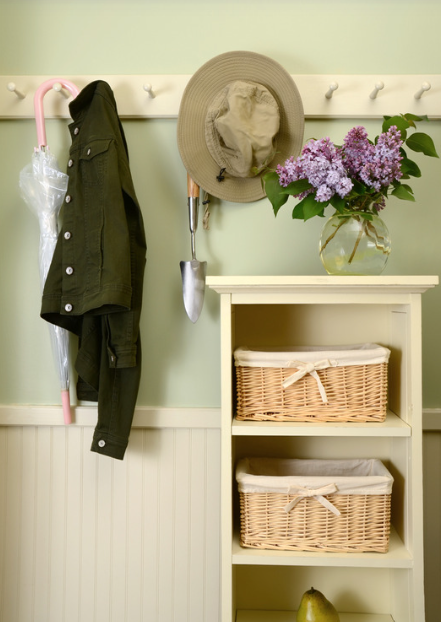
Instead of hanging up jackets (which takes several steps), use a hook by the door for your coats.
If putting away snacks takes opening up several doors and containers, try using a clear bin without a lid so you can just toss them in.
Create a landing zone for items when you enter the house. For example, if you always drop your keys on the counter instead of the keyhook, get a bin for the counter to contain the keys and anything else you need to get out the door.
Move items closer to where they’ll be used, like a bin of shoes and socks that stays by the front door.
2. Use Visual Reminders
You don’t have to rely on memory to complete daily tasks. Instead, use visual reminders to keep yourself on track and reduce your mental load.
Here are some ideas to incorporate visual reminders in your home:
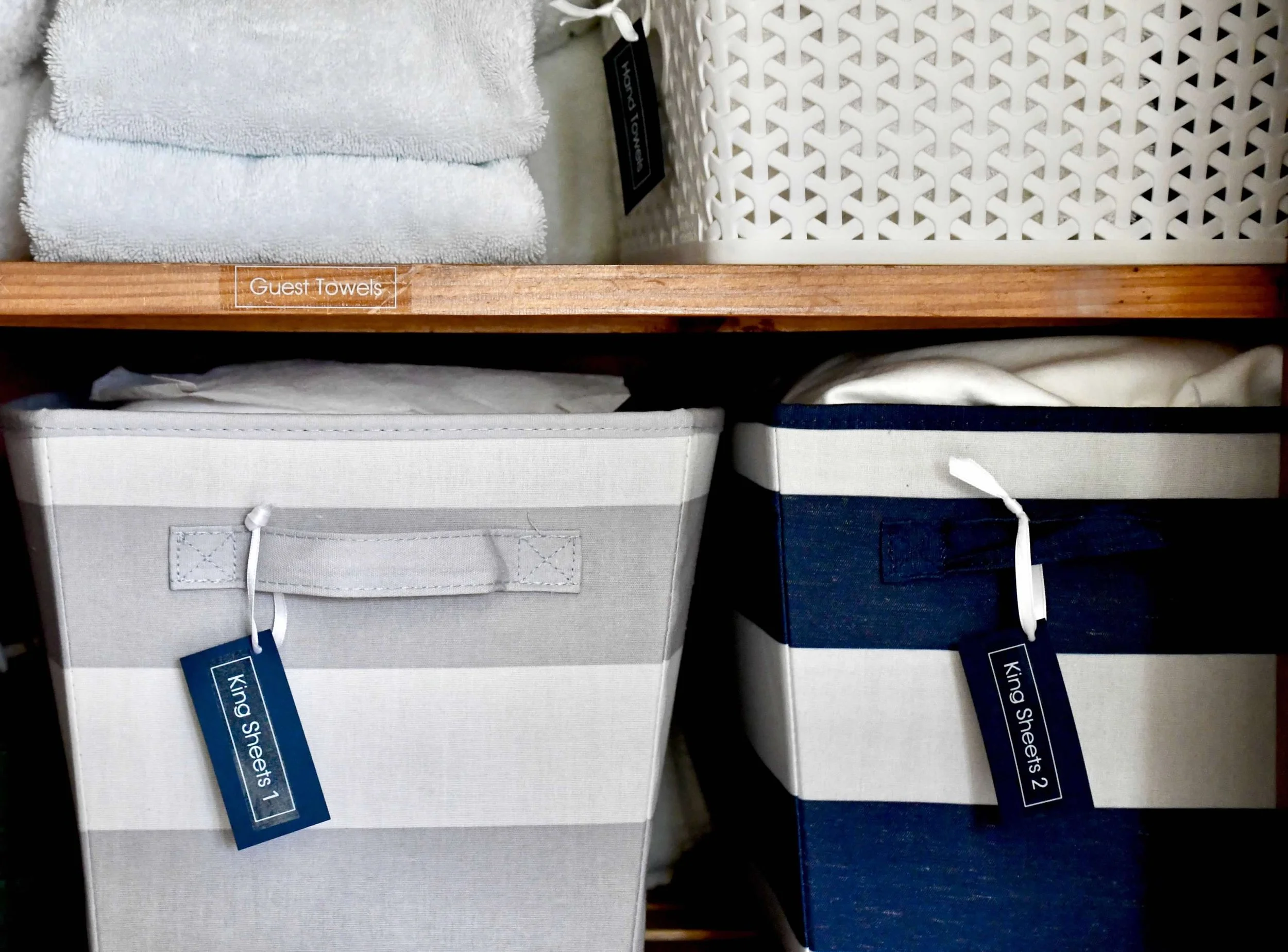
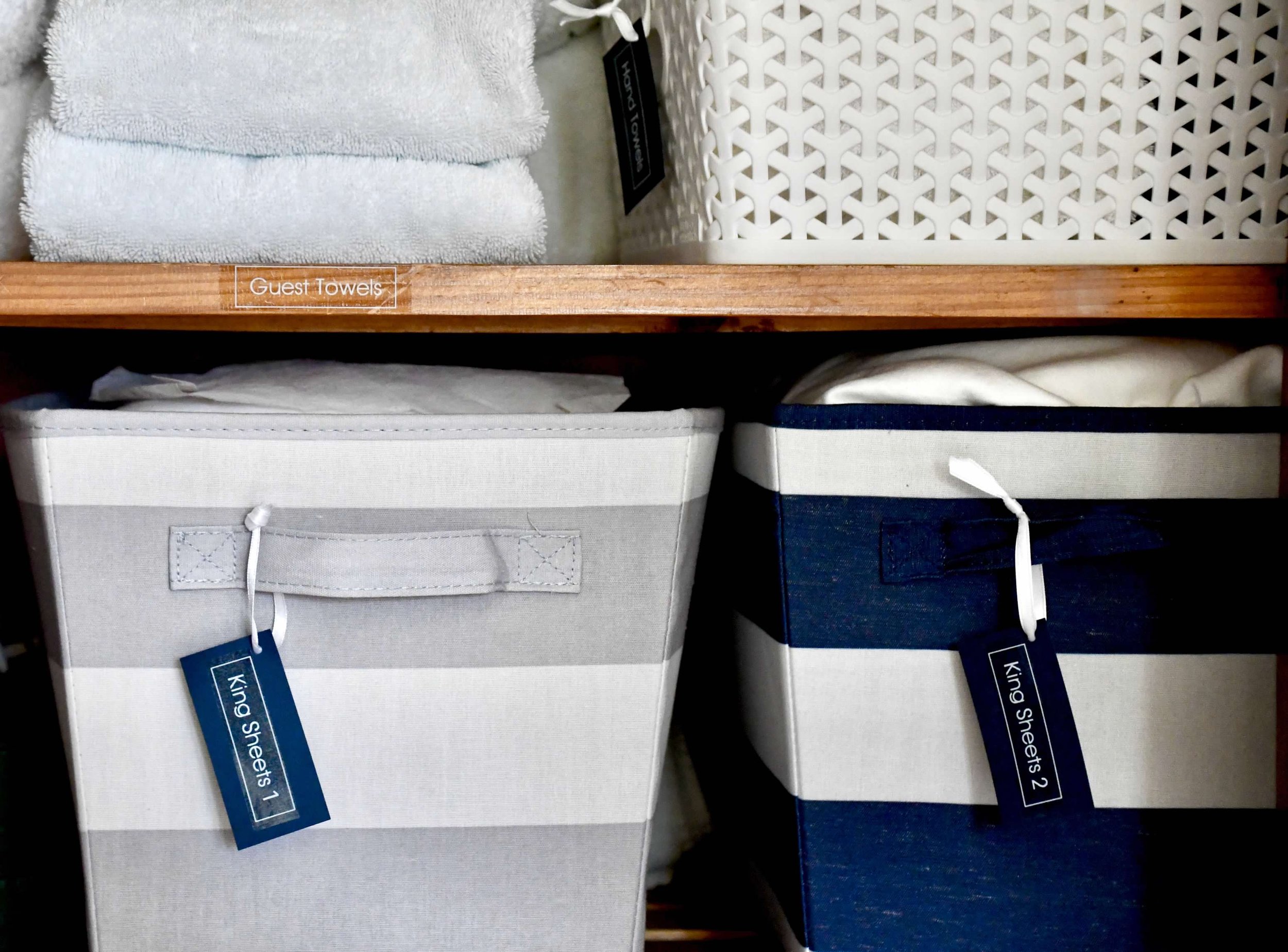
Label your shelves
Use clear containers (so you can see what’s inside without having to open them up)
Store like items together
Keep a running to-do list somewhere you will see it, like your fridge or bathroom mirror
Put important items where you’ll naturally see them

3. Target One Organizational System That Isn’t Working
Many of us spend a lot of time and money searching for the perfect organizational product, container, or planner to help us “finally get organized.” When it doesn’t work, it can leave us feeling like we’re the problem.
I promise: You are not the problem. Instead of trying a new system or product, try targeting one system that isn’t working. Change one thing about it (and one thing only). Give the new version seven days. Keep what is working for that system and let go of what doesn’t.
Let’s say you pinpoint laundry, because you never finish folding and putting away your clothes and cannot find what you’re looking for in the morning. Maybe instead of folding the clothes no one sees – like your pajamas and socks – you throw those into your drawers, unfolded. That one small change can make a big difference in your decision fatigue (and therefore, your ability to complete the task of folding laundry).
4. Split Organizational Projects Into Small Tasks
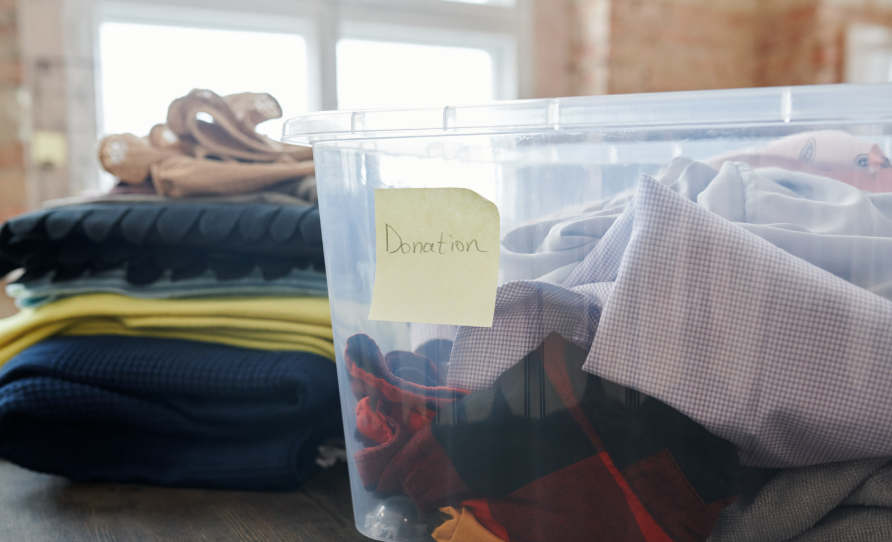
It can be overwhelming to look at a cluttered room and decide where to start. Allow yourself to only focus on one thing to organize at a time – one drawer, one countertop, or one donation bag – and then celebrate that as progress.
Try this:
Set a timer for just 15 minutes.
Choose one small area instead of an entire room.
Stop when the timer ends, even if you're on a roll.
Take a quick before-and-after photo.
Pause to notice how the space feels now.
Celebrate! Let this motivate you on your next project.
Remember, you don’t have to clean an entire room to make progress. Cheer yourself on with the small wins.
Give Yourself Permission to Let Go of Perfection
As a professional organizer, I love beautiful containers and neatly labeled drawers. But a gorgeous organizational system that doesn’t get used isn’t doing you any good.
When you’re organizing for ADHD, it’s key to reduce the number of decisions you have to make. That might mean your space doesn’t look Pinterest-perfect… but if it makes your everyday life easier and keeps you on track, that’s worth its weight in gold.
That could look like having an open basket of shoes by the front door instead of neatly stacked shoe shelves and cubbies. Or maybe throwing backpacks and purses on hooks instead of tucked away in the closet.
When your home works with your brain instead of against it, everyday life becomes a little calmer, a little easier, and a whole lot less stressful. And that’s what good organization is all about.
Resources on Organizing for ADHD
The following work has helped shape how I think about organizing, executive function, and creating homes that truly support the people who live in them. And be sure to check out my support page on organizing for ADHD!
Dana K. White – Get reality-based cleaning, decluttering, & organizing
Cassandra Aarssen – Learn your organizational style
Lisa Woodruff – Learn the skill of organization
KC Davis – Get compassionate, judgment-free tips
Russell Barkley – Learn more about ADHD and executive function
Edward Hallowell – Learn about strengths-based ADHD perspectives
Simplify Your Life with More Organizational Tips
Loved these tips? You’ll love the All In Place Organizing & Design newsletter. I share monthly tips to help you create calm, functional spaces that actually work for the way you live. Subscribe to the newsletter here for strategies and inspiration.